Leftover Clips ... I knew this time would come, I often make videos, what I think are too long so need to clip out good information, and today I am adding some of these back in ..
And starting off with one of my pet topics ... using the wrong wood ...
Maybe using the wrong wood is not the exact correct wording, but in some cases it is. What I hate seeing are woodworkers who spend many, many hours making something I think is well made, useful or otherwise a great project ... then I realize that they spent all their time and effort using crappy wood. Well ... maybe there is no such thing as crappy wood, only woods that are suited to a particular need, where someone tries to "repurpose them to something else", which seldom is a good choice. Why? the woods selected can often cause problems later on, the wood will move, crack, de-laminate, warp or create finishing problems, break or have excessive ealry wear because the wood is not strong enough, ... all because someone used the wrong wood for a project. 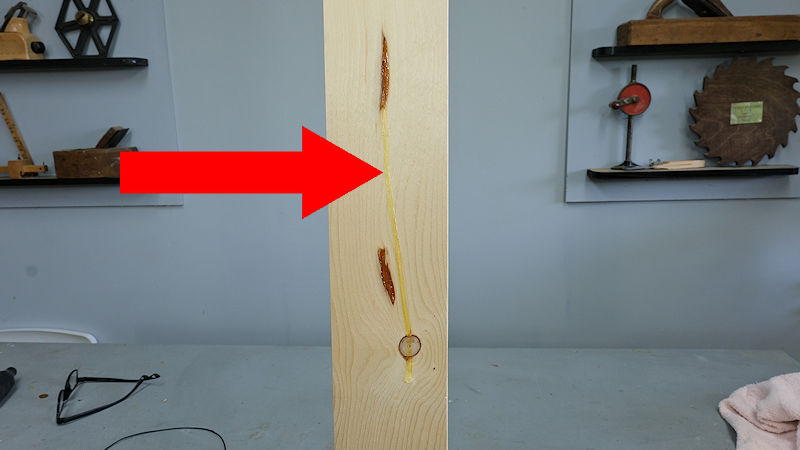
There is nothing wrong withhh woodworkers using something like construction grade wood to make a mock-ups or testing, but then they go forward by using a known, wood to make the finished project. Perfect. There are also woodworkers who don't know enough about different woods to make better choices, I was one of those many years ago, making bad choices and learning from them. Some would say I am still making some bad choices, and yeah, I'm still learning, but trying to help a new world of woodworkers learn from my mistakes. Like all things woodworking, there are always exceptions.
The slot in the Dowelmax treaded studs is something I have been doing for a while. I struggled with this for quite sometime before one day thinking to myself, "why am I putting up with twisting these studs when I could be using a screwdriver to help me". I only takes 2 seconds to grab a flat blade screwdriver and mitigate my frustration instantly and refocus my mind back on the enjoyment of building something.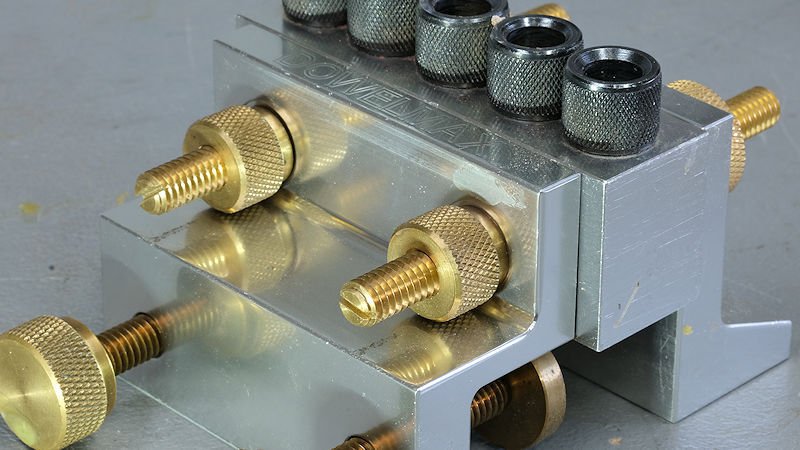
The reduced friction experiment was interesting. What I did not show was how, after purchasing the Blaster Dry Lube, I sprayed one of my ripping saws and ran some wood through before and after coating. I honestly was not expect much, if anything, but it was quite noticeable to me that the Blaster did reduce friction even on the table saw blade. My real problem was "how can I demonstrate this on video?". I never did come up with what I considered and definitive and measurable test for this, even though I knew it worked. By the same token I never tried the bees wax or the GlideCote as a blade lubricant, or in combination with deck coating. That might be something I tackle later.
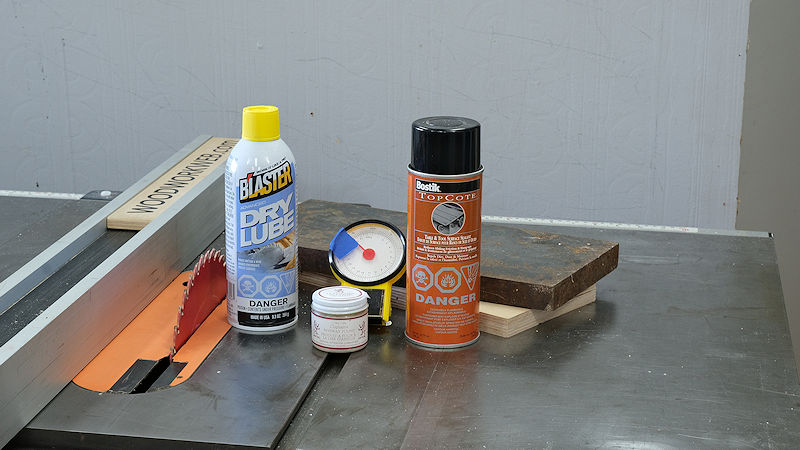
Reducing friction with either the blade, and certainly the tool deck, can be a very important safety issue for anyone cutting thicker, and harder woods. It may even reduce or eliminate wood burning which is something we all struggle with from time to time.
Colin Knecht